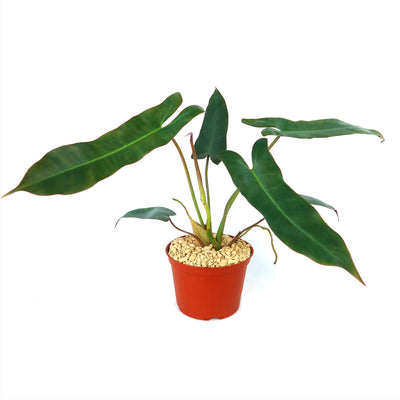
SKU: 42005533956
can i use cactus soil for philodendron

can i use cactus soil for philodendron Shop 'Philodendron atabapoense' Care & Growing Guide

Sale price$26.75 Regular price$29.72
Save 10%

Pay in installments of $7.43 with ShopPay, AfterPay and Klarna

Shipping Estimate
USA
  • USA
  • CAN

Ships within 48 hours · Estimated delivery Nov 6 - Nov 11

Promo Codes Available:

For Your Every Summer RSVP, with Code: SUMMER15

Description

can i use cactus soil for philodendron Shop 'Philodendron atabapoense' Care & Growing GuideKey Highlights Philodendron atabapoense The Philodendron atabapoense is highly sought after as a houseplant due to its fast growing, climbing nature and adaptability to indoor conditions. While it thrives in humidity, this plant is surprisingly resilient and can tolerate short dry periods if necessary. Its long, narrow leaves feature deep green tops and striking maroon purple undersides, giving it an exotic appearance. It is a hemi epiphytic plant

Key Highlights - Philodendron atabapoense 

  1. The Philodendron atabapoense is highly sought after as a houseplant due to its fast-growing, climbing nature and adaptability to indoor conditions.
  2. While it thrives in humidity, this plant is surprisingly resilient and can tolerate short dry periods if necessary.
  3. Its long, narrow leaves feature deep green tops and striking maroon-purple undersides, giving it an exotic appearance.
  4. It is a hemi-epiphytic plant that climbs trees in its native habitat and benefits from a moss pole or trellis indoors to encourage larger, elongated leaves.

The Philodendron atabapoense is a striking rare climbing philodendron that has gained popularity among plant collectors due to its elongated, lance-shaped leaves with deep green tops and contrasting maroon undersides. Unlike more common philodendrons, it has a sleek, refined appearance that makes it stand out in any indoor or outdoor plant collection. 

Philodendron atabapoense grows great indoors while maintaining an impressive size, making it a favorite among houseplant enthusiasts. When given proper support, such as a moss pole or trellis, it will produce longer, more dramatic leaves, enhancing its visual impact. In the wild, it grows as an epiphyte, climbing trees and reaching for sunlight while absorbing moisture and nutrients from the humid air. 

Native to the tropical rainforests of Venezuela and Brazil, this plant has long, narrow arrow-shaped leaves with a deep green upper surface and a burgundy to maroon underside with an illustrious shine and sheen.

This color contrast gives it an exotic appearance that is highly appealing to plant collectors.

The plant is also known for its fast-growing nature, especially when provided with adequate support, humidity, and indirect light.

When grown indoors, this Philodendron typically grows up to 6 feet tall and 3 feet wide, depending on its support structure.

In its natural habitat, it can climb much higher, reaching over 10 feet. The leaves can grow significantly longer when provided with optimal conditions, adding to their appeal as a large, dramatic houseplant. 

The flowers of Philodendron atabapoense are small and greenish-white in color. Its blooms consist of a spathe and spadix, which are typical of the Araceae family. The spathe is usually green or maroon on the outside and pale inside, enclosing the spadix that contains tiny flowers. However, it rarely flowers indoors, as it requires specific environmental triggers, including high humidity and warm temperatures. 

One unique aspect of Philodendron atabapoense is its epiphytic and hemi-epiphytic nature, meaning it can grow both in soil and attached to trees. This versatility allows it to adapt well to different growing conditions. It also has a high tolerance for humidity fluctuations, making it easier to care for than some other tropical plants. Its leaves have a leathery texture, helping reduce moisture loss and allowing it to thrive in various indoor environments. 

When and How to Water Your Philodendron atabapoense 

Like other drought-tolerant plants, the Philodendron atabapoense is an excellent choice for plant enthusiasts who prefer low-maintenance greenery. This species can withstand occasional dry spells, thanks to its ability to store moisture in its roots. However, while it is resilient, it thrives best when provided with consistent moisture, allowing the soil to dry out slightly between waterings. Overwatering can lead to root rot, so a well-draining potting mix is essential to prevent standing water.

In the spring and summer, during the active growing seasons, it requires more frequent watering to support its vigorous growth. Water the plant thoroughly when the top 1-2 inches of soil becomes dry, ensuring even hydration. The frequency of watering largely depends on environmental factors such as humidity, light exposure, and pot size. If grown outdoors, the plant may require more frequent watering during hot, dry periods. 

In fall and winter, during the dormant season, your Philodendron enters a slower growth phase and requires less water. Watering should be reduced to prevent excessive moisture build-up in the soil. Ensure the soil is dry at least halfway before the next watering. Maintaining proper humidity levels indoors can help prevent dehydration, but misting is generally unnecessary unless the air is extremely dry. 

Light Requirements – Where to Place Your Philodendron 

When grown indoors as a houseplant, this plant thrives in bright, indirect light. It should be placed near a window with filtered sunlight, such as a north or east-facing window, where it can receive 6 to 8 hours of indirect light daily.

Too much direct sunlight can scorch its leaves, while insufficient light may lead to leggy growth and slower development.

Grow lights can supplement natural light if necessary, ensuring consistent growth throughout the year.

For outdoor cultivation, this Philodendron prefers dappled sunlight or partial shade, similar to its natural rainforest habitat.

It can tolerate morning sun but should be protected from harsh afternoon rays to prevent leaf damage.

If grown under a tree canopy or shaded patio, it will flourish with at least 5 to 6 hours of bright, indirect light daily. In tropical climates, it can be grown outdoors year-round with proper light exposure. 

Optimal Soil & Fertilizer Needs 

The Philodendron atabapoense favors very airy, sandy soil that drains well. Avoid using dense, compacted soils that trap excess water, leading to root rot. Instead, make or buy a well-draining potting mix, or ideally use our specialized potting mix that contains 5 natural substrates and mycorrhizae to promote the development of a strong root system that helps your Philodendron to thrive.

For optimal growth, fertilize Philodendron atabapoense once a year in their actively growing season which is typically spring using a ratio of about 5-10-5 (NPK). Organic options like fish emulsion or worm castings can also boost soil nutrition. Stop feeding in the dormant months when the plant’s growth slows. 

Hardiness Zones & More 

When grown indoors as a houseplant, it prefers temperatures between 65°F and 80°F and humidity levels above 50%. Keeping it in a warm, humid environment mimics its natural tropical habitat, promoting lush growth. Avoid placing it near cold drafts, air conditioners, or heating vents, as extreme temperature fluctuations can stress the plant.

In the United States, this is mostly an indoor plant, but if you live in southern Florida or Hawaii then you can cultivate it outdoors in USDA zones 9-11.

It prefers high humidity and bright, indirect light similar to its rainforest origin.

If growing outdoors in cooler climates, it should be brought inside when temperatures drop below 50°F to prevent cold damage. 

If you are concerned about humidity or notice browning edges on your plant leaves. This addition will dramatically improve the health of your philodendrons. 

Wildlife – Philodendron Flowers Attract the Following Friendly Pollinators  

The Philodendron atabapoense flowers are known to attract a variety of pollinators such as bees, butterflies, hummingbirds, and beetles in their natural habitat. While the plant is primarily grown for its stunning foliage, when it does flower, these pollinators help with its reproductive cycle.

Butterflies
Bees
Hummingbirds
Lady Bugs
Multi Pollinators
Other Birds

According to the ASPCA, Philodendron atabapoense is mildly toxic to humans, and pets such as cats and dogs. The plant contains calcium oxalate crystals, which can cause oral irritation, excessive drooling, and gastrointestinal discomfort if ingested in a large amount. It is safe to touch and handle, making it a popular choice for indoor houseplants.  

How to Propagate Philodendron atabapoense 

The Philodendron atabapoense can be easily propagated through stem cuttings. Select a healthy stem with at least one node and a few leaves, then cut just below the node using sterilized shears. The cutting can be rooted in water or moist sphagnum moss before transferring it to soil. Keep the propagation medium consistently moist and place it in bright, indirect light to encourage root development. 

The Bottom Line 

Overall, the Philodendron atabapoense is a remarkable climbing philodendron with elegant foliage, rapid growth, and stunning leaf contrast. Its adaptability to indoor and outdoor conditions, along with its unique maroon undersides, makes it a favorite among plant collectors. Whether grown on a moss pole or allowed to trail in a hanging basket, it adds a touch of tropical beauty to any space. With proper care, including bright indirect light, well-draining soil, and regular humidity, it will flourish and become a standout feature in any plant collection. Order your very own Philodendron atabapoense for sale today! 

Shipping Notes
  • Free Standard Shipping on $100+ Orders to the USA.
  • Except Preorder products are shipped in 48 hours.
  • Delivery to the USA:
  1. Standard Shipping : 3-10 business days
  • If time is of the essence, please consider selecting expedited delivery for faster service.
Exchange/Return Notes
  • We offer a 30-day return/exchange service after receiving.
  • Final sale items are not eligible for returns or exchanges.
  • To process your return/exchange, please contact us at [email protected]
  • Please click here for more details>>> Return & Exchange Policy
SKU: 42005533956

Discover Niche Categories That Outsell can i use cactus soil for philodendron

Top-Converting Item to Boost Your Average Order

4.1 ★★★★★
Based on 29 reviews
Sort
Highest Rating
Newest First
Oldest First
Product Reviews
C
Verified Purchase
caleb me
Whiting, US
★★★★★ 5
Worth the hefty price tag
After considering OLED for a while and waiting for the price to drop, I finally decided to try this when on sale. I had very high expectations and was fully prepared to refund at the first sign of trouble. Lets start with the cons in my experience. 1. After setting up the monitor and looking through the settings, trying to turn the RGB LEDs on worked... for the most part. The lights on the back worked fine, on the front there are two zones that are supposed to light up also, but only one of them worked. After doing some searching apparently a simple firmware update or downgrade can fix this, so it is not a hardware issue but a software one. I do not need LEDs on a monitor anyway, especially an OLED that has those nice true blacks, so I don't want anything on to distract my eye. I turned the LEDs off completely and never card to change firmware just to be able to turn them on again. 2. The first day I setup the monitor, tested it a bit, then went to bed. The following day I turned on the monitor and after a few hours of using it I closed all my programs and went to desktop (which is a true black single color background). To my surprise the LEDs were still on, the screen looked no different from my other non OLED screens. After digging through various settings and power cycling the monitor a few times I decided to contact support. I explained my issue and got transfer once or twice through Samsung support chat before finally getting through to help. The first thing that I was asked to do was unplug the power cord that runs from the adapter box to the monitor, not from the wall to the adapter box, and not power cycling using the button on the monitor. After waiting about a minute and plugging it back in the black were true black again and I felt like an idiot. The important takeaway here is that the box will run some power to the screen even if the screen is of, so if you need to power cycle make sure you unplug the screen. After doing the reset once my pixels have remained true black where they should and have not been an issue since. Before we get to the pros is want to mention settings. There are quite a few settings of which most are helpful, just about anything you would want to change you can. The only problem is that with so many settings it can be hard to find what you're looking for sometimes. So far this is one of my only monitors to not change settings ever after setup, I have had ASUS and ACER monitors before that both will occasionally change a setting if a certain game launches or if the hdmi/vda/dp gets unplugged. Finally we have the pros. 1. OLED monitor at a PC desktop form factor. This thing looks great, it is great to watch movies and videos on, and colorful and cinematic games look amazing, I have never seen a non OLED come anywhere close it is not even the same ballgame. I have had TN VA and IPS displays before and IMO all three of those look far more similar to each other than to this. 2. Responsiveness and Refresh rate. 240hz is incredibly solid for modern gaming, not as bug of jump from 60 to 144 or even 120, but still noticeable. Due to the OLED tech the overall screen response time is insane, it isn't as simple as the 1ms, 0.5ms or 0.1ms that you see advertised on these monitor pages, if you look into it in depth, this monitor has a response time that is about 2x faster then the next best non OLED gaming monitor, and that monitor is even 360hz! What does this meant though? Blur essentially does not exist on this monitor, comparing to 144hz, 165, and 60hz, when setting this monitors refresh rate to match, it is significantly clearer and less blurry. At 240hz even taking a still image with a high fps camera it is hard to detect or extremely minimal, where my VA 165hz displays at least 5 clearly visible ghosted images at once just with my phone camera. To summarize, this monitor I expected to be good but not worth the price tag, but after quite some use it has completely blown me away and I am definitely keeping it. The only monitor jump that has been as noticeable as jumping from non OLED to OLED is the jump from 60-144hz.
WAS THIS REVIEW HELPFUL?YesReportShare
Reviewed in the United States on October 5, 2023
Y
Verified Purchase
YouNeedMorePeople
Natrona Heights, US
★★★★★ 3
Too compromised for the price
HDR: Windows 10/11 report 1015nits peak brightness which is its real peak luminance. Quantum HDR2000 is a fabricated specification unique to Samsung. In real content (games/movies) it is no where near capable of 2000nits and instead barely produces over 800nits peak brightness for 10% highlight. The 2000nit figure comes from best case scenario - 10% test slide used by calibrators and reviewers to measure luminance. The monitor detects such a scenario and temporarily boosts brightness so that they can publish impressive brightness figures. Yes this is essentially cheating and Samsung has been called out recently for the same "trick" on their TV's. Samsung could have opted to have the monitors HDR performance certified by VESA but chose not to in favor of their own marketing favorable terminology. In reality the monitor is some where between VESA DisplayHDR600 and DisplayHDR1000 due to a combination of Samsung severely limiting brightness for the sake of preventing blooming alongside possibly preventing the backlight from being overdriven to manage thermals. Scanlines: The monitor displays horizontal scanlines at its maximum 4K 240hz refresh rate. This is a limitation of the display driver or scaler and has been present on all 1440p+ 240hz Samsung monitors dating back to the original G7. This is not a software/firmware issue as the original G7 and Neo G9 still suffer from it to this day after over a dozen firmware updates between the two. Dropping down to 120hz rids you of scanlines but then you have to ask, why did I buy a 240hz display? A compromise is using a custom resolution/refresh rate of 165hz but then you have to ask yourself, why didn't I save $200 and purchase the Neo G7 instead? Anything above 165hz and the scanlines get very noticeable. Anti Reflective Coating: The Neo G8 uses a completely different AR coating compared to the Neo G7. Its extremely thick/hazy and has a sparkly sheen to it and as a result is a huge detriment to clarity. HDMI 2.1: As of right now the monitors HDMI 2.1 ports are either broken due to a firmware mishap or not full bandwidth HDMI 2.1 ports. 4K 120hz is the max possible refresh rate using an HDMI 2.1 capable GPU and even that can be finicky at times. DSC should make 4K 240hz possible just like the Displayport 1.4 port but its just not working correctly at the moment. Curve: The curve is non uniform and extremely aggressive at the center while flattening at the sides. It results in a very odd almost crease like presentation dead center and takes quite a bit of adjustment. I understand the 1000R curve is done to compensate for the VA panels poor viewing angles but its just too much for desktop/productivity and warps everything you're looking at. 1800R or 1500R max would be ideal although I wish Samsung would ditch this obsession with curves and just give us flat panels. Neo G7 vs Neo G8: So why buy the Neo G8? Well there really is no reason unless you enjoy horizontal scanlines at 240hz. The Neo G7 has the same HDR brightness (1015nits reported to Windows), gets you 165hz scanline free without having to fiddle with custom resolutions, uses a more traditional matte anti glare coating and as of writing this review appears to have the same HDMI 2.1 limitation.
WAS THIS REVIEW HELPFUL?YesReportShare
Reviewed in the United States on June 30, 2022
S
Verified Purchase
Steve B.
Lexington, US
★★★★★ 5
WHAT YOU NEED TO KNOW! And why people have issues with this Monitor, It's their fault.
Got mine today! Great packaging, no dead pixels! LOOKS AWESOME! This is what you need to know before buying this Monitor! Please read SO YOU KNOW! It will also help you with any other monitor, video card, or cables. This is a 4K 240Hz Monitor! There are 3 different versions of this Monitor in the user manual, and Samsung has never been great on literature to know what you need to push this monitor to its full potential. I read the 4-star reviews for this Monitor first. In there, I read about a guy who was getting tearing and replaced the DP (Display Port) cable to a 16K cable. I want to explain this to educate people and help. The base refresh rate for any resolution is 60Hz, so let's do the math backwards to fully understand. 16K at 60Hz = 8K at 120Hz = 4K at 240Hz = 2K at 480Hz Since not only Samsung, but every corporation tries to save money, the other 2 monitors in the user's guide doesn't require a 16K cable. Since I'm sure they all have the same packaging, there's no reason to believe the supplied DP (Display Port) cable is 16K. In Fact, I can see nothing on the cable that says so. However, I spent $6 for a 10' 16k cable delivered with the Monitor. This is the most important thing to know once you have your 16K DP (Display Port) cable. To push 16K your device (Video Card) has to have DP (Display Port) 2.1 AMD was on top of the ball on this and uses DP (Display Port) 2.1 for its RX 7000 series and up. I use a RX 7900XTX, so I'm covered. Nvidia used DP (Display Port) 1.4 on their RTX 4000 series cards to save money and charge you way too much! Nvidia implemented DP 2.1 on their RTX 5000 series cards. I don't know for INTEL cards; I would search the specs. I've read reviews from RTX 4000 people, and I can only assume that they don't understand that Nvidia DLSS has to be a factor, they aren't aware that their video cards can't push a true 4K at 240Hz. The last thing to add is the Dimensions that Samsung Provides! Yes, its 27" tall! But it's a telescopic stand, I only have 20.5" clearance, and it fits nice. I think it could go down to 19". Power Color Hellhound RX 7900 XTX AMD 9950 X3D Asus Rog Strix X870E-E Gaming Wi-Fi 32GB G.Skill Royal Neo at 8000Mhz Nothing else is important for this post
WAS THIS REVIEW HELPFUL?YesReportShare
Reviewed in the United States on July 15, 2025
A
Verified Purchase
Amazon Customer
Pawtucket, US
★★★★★ 5
Music and video editing. This thing works.
Size: 49-1, Size: 49-1
49" curved. It's a good monitor. Confirmed resolution is 5K. I had never heard of ZZA before but the reviews were good and the price was decent. Honestly, I did not expect too much. Well, this monitor is well packaged, easy to handle and use, built nicely. The screen has a matte low-reflection surface and looks smooth. Tested with Ableton, DaVinci, WOW, Zoom, and a few others. Instantly improved my workflow by displaying longer timelines in music and video. Games like WOW are very immersive, but it takes a few hours to get used to. Once you get into it, it might be had to go back to a normal flatscreen. Overall, it's worth the money. ZZA is evidently taking this very seriously with a decent design and a solid feel. Would recommend.
WAS THIS REVIEW HELPFUL?YesReportShare
Reviewed in the United States on February 2, 2026
T
Verified Purchase
Trisha Hagensick
Boise, US
★★★★★ 5
Great monitor
Was looking for an extra monitor to use for when working from home. The picture quality is perfect for just normal work use. The ports are easy to access for plugging in cords. Was easy to set up with the docking station as well. Worth the money.
WAS THIS REVIEW HELPFUL?YesReportShare
Reviewed in the United States on April 28, 2026

recommand products